

Differential pressure transmitters are used to quickly measure differential pressure in closed pressurized tanks, pump filter controls, etc. These instruments are available in a variety of models and are widely used in the oil and gas, chemical, petrochemical, energy, food and beverage, and paper industries.
The instrument offers high accuracy and optimal long-term stability and is easy and cost-effective to install even in confined spaces. Similar to other pressure measuring instruments, there are also several safety measures that must be followed with pressure sensor units. This helps avoid injuries to personnel or damage to equipment.
Do you use a pressure transmitter or are you planning to invest in one? Then this article will be very useful as it lists some of the key safety precautions to follow when operating a differential pressure transmitter.
Manufacturers provide an instruction manual for each pressure transmitter. It is never a good idea to ignore the safety instructions provided in the user manual. Always remember that the manufacturer puts these guidelines in place to ensure a safe working environment. While there are several models of differential pressure transmitters to choose from, the following safety precautions are common to almost all models.
Understanding the Device: Low differential pressure transmitters are an important component in many process systems, especially those that involve measuring and controlling fluid or gas flow, pressure, or level. It consists of several key components, including:
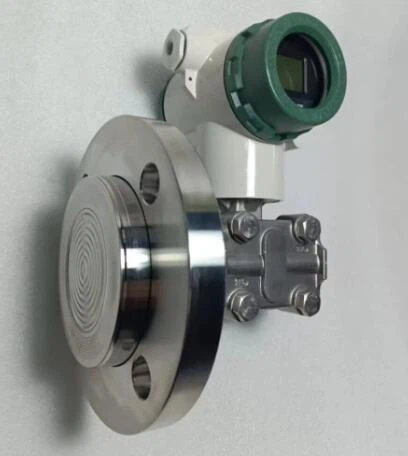
Sensing Element: The sensing element of a differential pressure transmitter is responsible for converting the pressure difference between two points into an electrical signal. Common sensing elements include diaphragms, Bourdon tubes, or capacitive sensors.
Sensor: The sensor amplifies and converts the electrical signal from the sensing element into a standardized output signal, such as 4-20 mA, or a digital protocol such as HART or Modbus.
Electronics: The electronic circuit processes and conditions the electrical signal from the sensor. It may include features such as signal linearization, temperature compensation, and digital communication capabilities.
The role of low differential pressure transmitters is to measure and transmit accurate and reliable differential pressure readings between two points in a process system. It enables the control system to monitor and regulate process variables based on differential pressure measurement.
Follow Manufacturer Guidelines: Reading and understanding the manufacturer's instructions and guidelines is critical to the proper operation of the differential pressure transmitter. Following these guidelines ensures safe and effective operation:
Ensure Compatibility: Manufacturers provide specific guidelines for compatible process fluids, pressure ranges, and temperature limits for their transmitters. Following these guidelines helps prevent transmitter damage and ensures accurate measurements.
Optimize Performance: Manufacturers typically specify recommended installation, setup, and calibration procedures. Following these guidelines ensures optimal performance and reliable readings from the transmitter.
Ensure Safety: Manufacturer guidelines include important safety considerations such as electrical ratings, grounding requirements, and hazardous area classifications. By following these guidelines, you can minimize the risk of electrical hazards and ensure compliance with safety regulations.
Perform a Proper Installation: Proper installation of the Low differential pressure transmitter is critical to accurate measurement and reliable operation.
Consider the following steps:
Mounting: Select a suitable location that is easily accessible and stable. Consider factors such as vibration, temperature, and exposure to corrosive substances.
Positioning: Mount the transmitter so that it is properly aligned with the process pipe. Position it at the correct height and orientation to avoid measurement errors due to gravity effects.
Sealing: Use proper sealing materials and techniques to prevent leaks or ingress of contaminants. Follow the manufacturer's recommendations for gaskets, seals, and thread sealants.
Regular maintenance: Regular maintenance is essential to prevent failures, ensure accurate readings, and extend the life of your Low differential pressure transmitters. Key maintenance tasks include:
Calibration: Calibrate the transmitter regularly to maintain measurement accuracy. Follow the recommended calibration intervals and procedures provided by the manufacturer.
Inspection: Inspect the transmitter for any signs of damage, corrosion, or wear. Inspect the integrity of the electrical connections and wiring.
Cleaning: Keep the transmitter clean and free of dust, debris, or process fluid buildup. Use proper cleaning methods and avoid harsh chemicals that can damage the transmitter.